
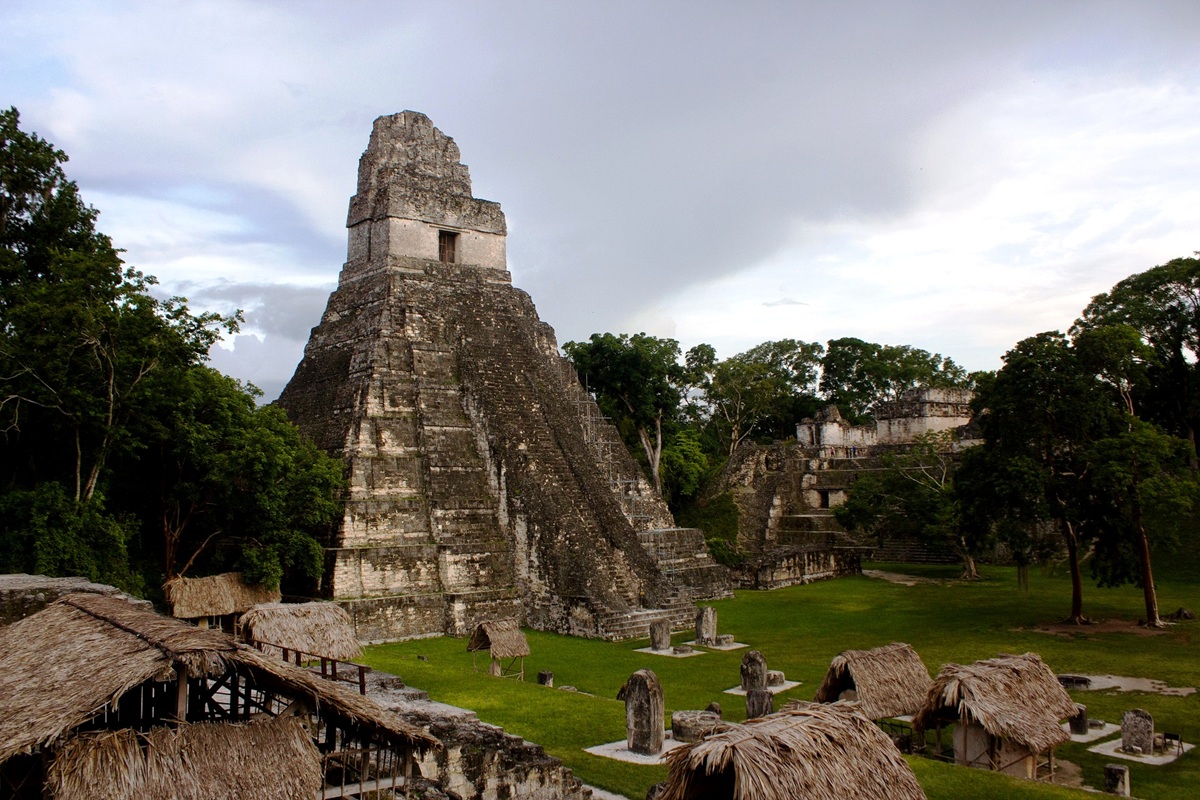

One of the questions that has puzzled archaeologists and historians for many years is why one of the oldest and most revolutionary civilisations disappeared without a trace; the most likely hypothesis has emerged The Maya civilisation was one of the most complex and developed in the world. It developed over millennia in Mesoamerica and occupied vast regions of what is now southeastern Mexico, such as Yucatán, Campeche, Quintana Roo, Chiapas, and Tabasco, as well as much of Central America. There, it built monumental cities, developed an advanced writing system, performed precise astronomical calculations, created complex calendars, and sustained an agricultural economy based mainly on corn.
However, between the 8th and 9th centuries, many of its major cities were abandoned. Urban centres such as Tikal, Calakmul and Copán went from being political and commercial hubs to ruins swallowed up by the jungle in the space of a century. For a long time, this sequence of events attracted the attention of archaeologists and historians, who were unable to find a plausible cause.
Some of the hypotheses put forward spoke of internal wars between cities, others of epidemics, invasions or political crises. Even more extreme theories emerged, related to supernatural or extraterrestrial phenomena that would have abducted the inhabitants. But with the advancement of scientific research, one of the most accurate conclusions was that the disappearance was not sudden, but rather the result of a gradual deterioration of the environment, aggravated by the civilisation’s own practices.
In the book Collapse (2005), American geographer and historian Jared Diamond stated that a prolonged drought, combined with mass deforestation, was the cause of the Mayan collapse. It was not an isolated natural disaster, but a process aggravated by human activity. Later, archaeological and ecological research confirmed this theory.
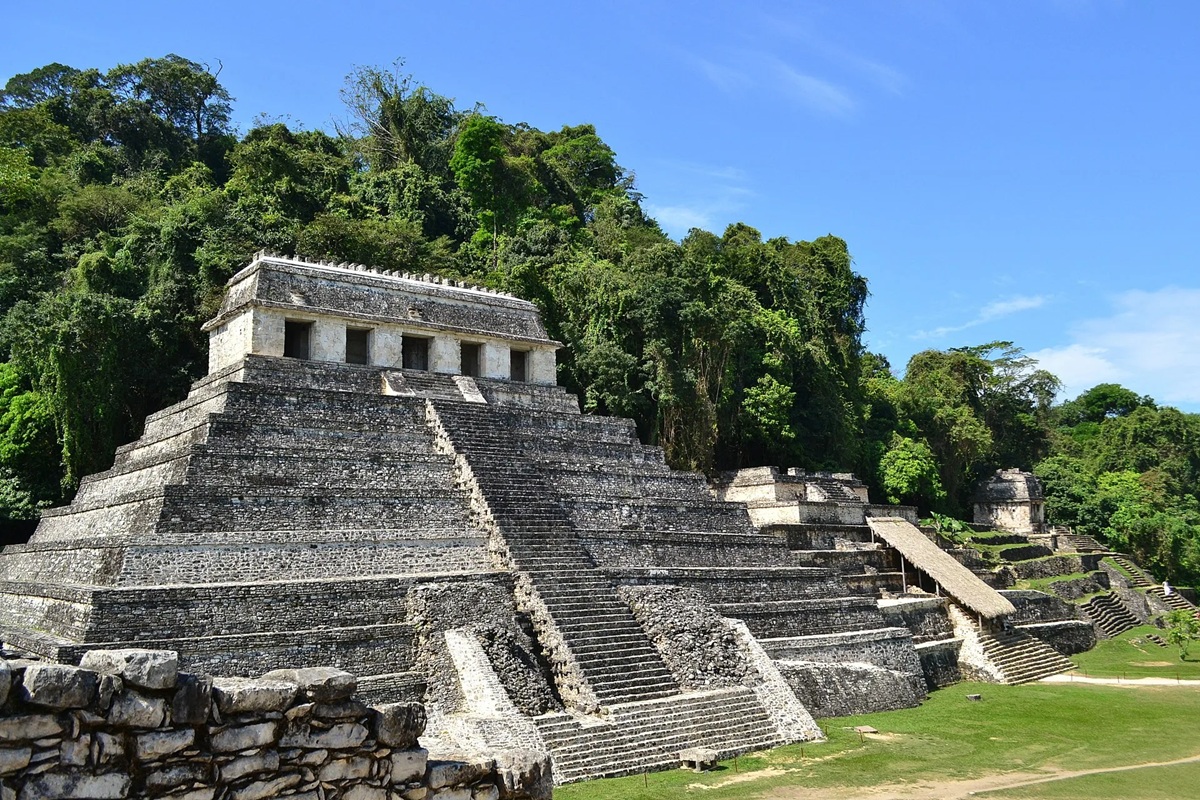
In 2012, several studies confirmed that extensive deforestation to expand agricultural land and obtain firewood and fuel significantly altered the regional climate balance. With the reduction of forest cover, the soil lost its ability to regulate temperature and retain moisture, which intensified periods of drought.
Climate models created by researchers at Columbia University based on data on population and deforested area showed how this process led to crop failures, food shortages, and the collapse of trade networks. Faced with the impossibility of sustaining large urban agglomerations, many communities were forced to abandon the lowlands and migrate in search of new resources.
Why did the Maya continue with practices that harmed their ecosystem?
One of the most worrying aspects of this theory is that the Maya had a deep understanding of their environment. ‘The Maya knew how to survive in their ecosystem,’ says B. L. Turner, lead author of one of the key studies. However, demographic pressure and the need to sustain large cities led them to continue with practices that, in the long term, proved unsustainable.
The collapse did not lead to the total disappearance of the Maya people. Their descendants live today in different regions of Mexico and Central America. Only the urban and political model they created was lost. Although it seems that this research only allows us to understand the past, it will also help prevent problems in the future.
Robert Oglesby, a climate modeller at the University of Nebraska, noted that similar processes continue to occur today. In Guatemala, for example, deforestation is advancing at a rapid pace. Data provided by Global Forest Watch recorded more than 26,000 alerts of forest loss in just two months of 2025. According to Oglesby, this environmental degradation makes the region ‘much more vulnerable to severe droughts’ and reproduces conditions similar to those that preceded the collapse of the Mayan civilisation.