


Excavations will continue to unravel the economic, spiritual and social role of the region.
A group of specialists in China has made a significant discovery by locating a craft workshop that provides new insights into the ancient Shu civilisation. The discovery took place in Sanxingdui, in Sichuan province, where a workshop that operated for more than three centuries was found, containing pieces of gold, jade and carved stones.
This workshop was identified by the Sichuan Provincial Institute of Archaeological and Cultural Relics Research, located just one kilometre from the famous sacrificial pits that have brought international renown to the region.
Discover the oldest gold in Chinese history
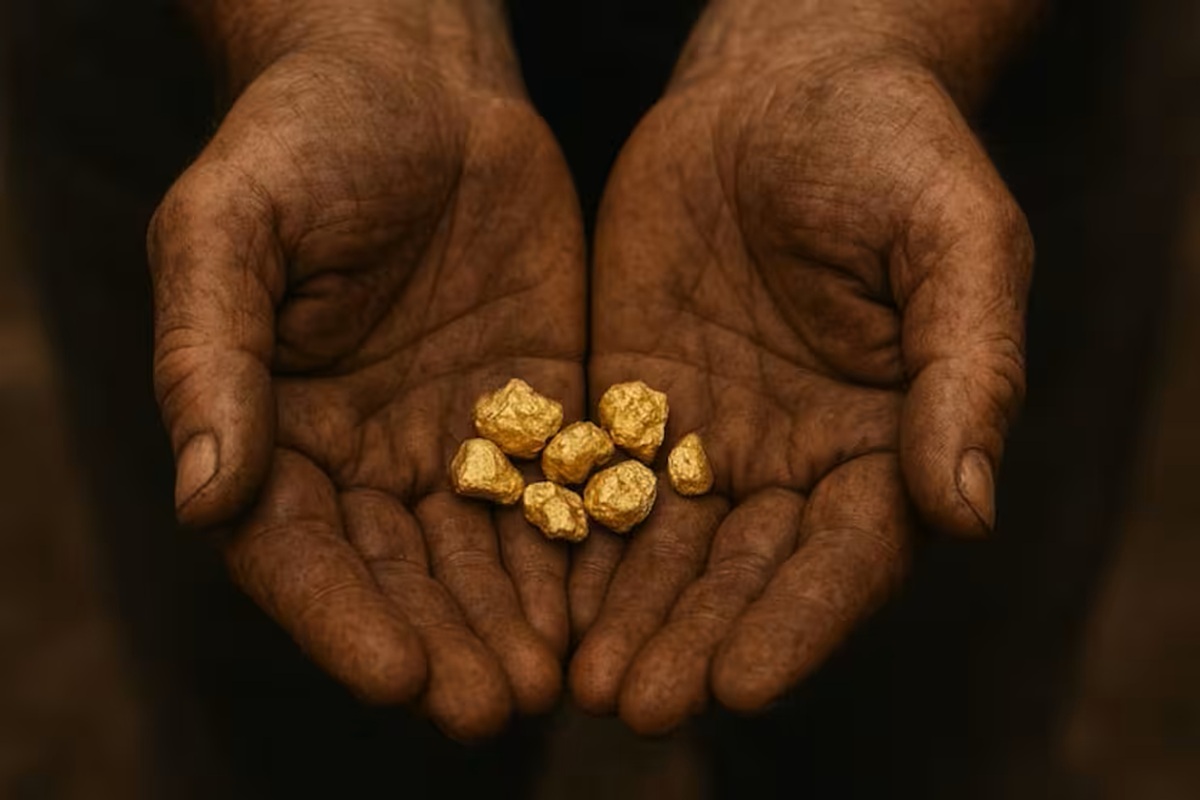
Research carried out at the site confirms that the workshop is more than 3,000 years old, making it a key piece in directly connecting with the treasures previously discovered in Sanxingdui. It also provides a clearer framework for interpreting archaeological finds in the region that, until now, had no definite explanation for their origin or function within the Shu Kingdom.
According to the official Xinhua news agency, research on this gold workshop will continue. The aim is to elucidate the economic, religious and social role that this productive space played within the structure of the ancient civilisation. The upcoming excavations are expected to provide more precise data on how craft production was organised in Sanxingdui.
Due to its significance, the discovery could also boost Sanxingdui’s bid to be included on the UNESCO World Heritage List. If this happens, it would not only reinforce its historical value, but also enhance the tourist appeal of the area, already recognised as one of China’s main archaeological centres.
A key production centre for understanding the Shu Kingdom
The Sanxingdui ruins, also known as the Sanxingdui site, have been known since the 1920s and cover some 12 km² in the Yangtze River basin. But research begun in 2024 revealed something new: more than 400 areas with remains, including the craft workshop that appears to have concentrated much of the local production.
Archaeologist Ran Honglin, leader of the excavation team, explained that structures essential for mass production were found there: foundations, combustion furnaces, ash-filled ditches and processing areas. Thanks to this, it is now possible to reconstruct how these pieces were made more than three thousand years ago. For experts, this is one of the most significant revelations in Chinese archaeology in recent times.
Inside the workshop, materials were found in all stages of production: from unworked stone blocks to fragments, pieces of jade and finished objects. This diversity suggests that the site functioned as a production centre with a fairly developed craft chain over time. The discovery reinforces the hypothesis that many of the famous Sanxingdui relics were created there and not brought in from other regions, as had previously been suggested.