
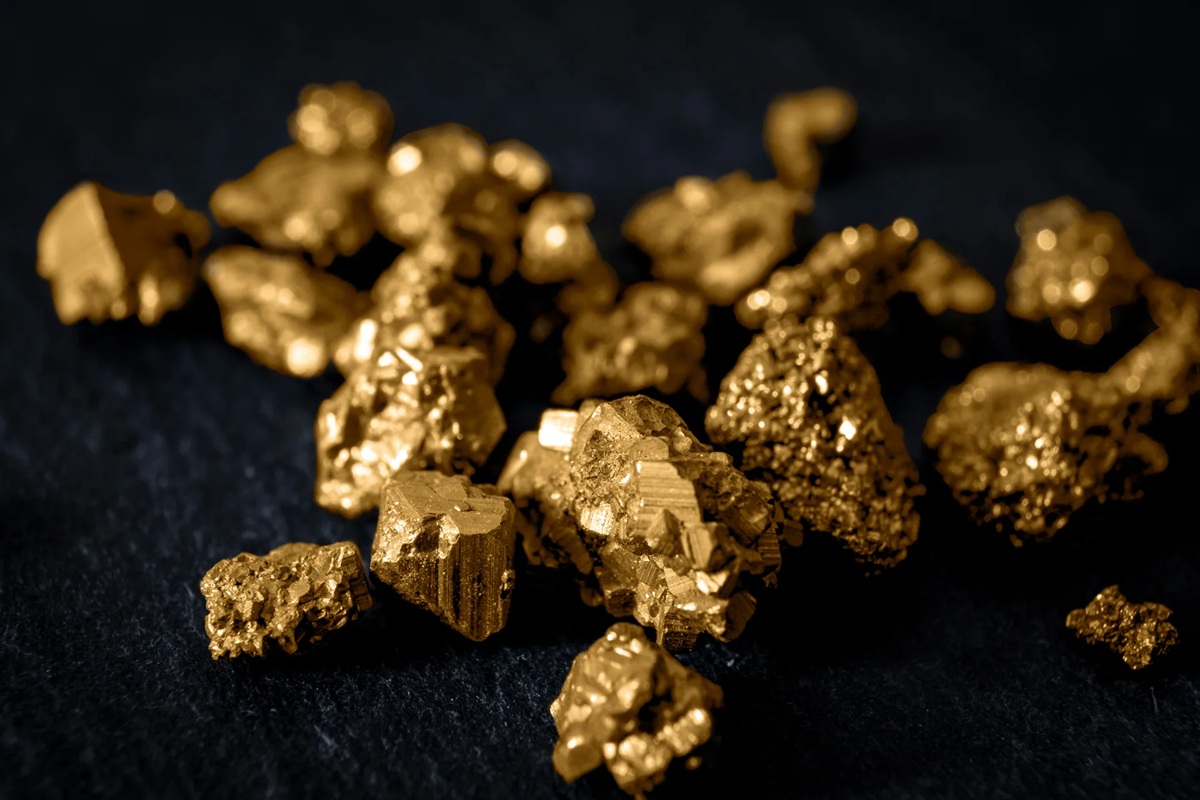

We have to go back thousands of years to find the first evidence of the existence of gold. More specifically, in the Varna Necropolis (Bulgaria), the first archaeological site with traces of this precious metal manipulated by humans was found. This archaeological site, dating from the end of the Copper Age – between 4,600 and 4,200 BC – is the oldest reference to date of one of the symbols of wealth par excellence on our planet.
Throughout history, this material has been the subject of multiple studies and investigations. In fact, in recent months, entities such as NASA have launched several studies related to this golden metal. Researchers at the space agency have indicated that there could be approximately 20 million tonnes of gold throughout the ocean. As detailed by several experts, the estimated price for a tonne of gold exceeds €56 million. In other words, according to NASA data, our ocean could contain a totally astronomical and incalculable fortune.
Similarly, a study published earlier this year in The Astrophysical Journal Letters revealed that elements such as gold, uranium and platinum are scattered throughout the Milky Way as a result of ejections from highly magnetised neutron stars, called magnetars.
Magnetars not only produce valuable metals such as gold and silver that reach Earth, but the supernova explosions that cause them also produce elements such as oxygen, carbon and iron, which are vital for many other more complex celestial processes.
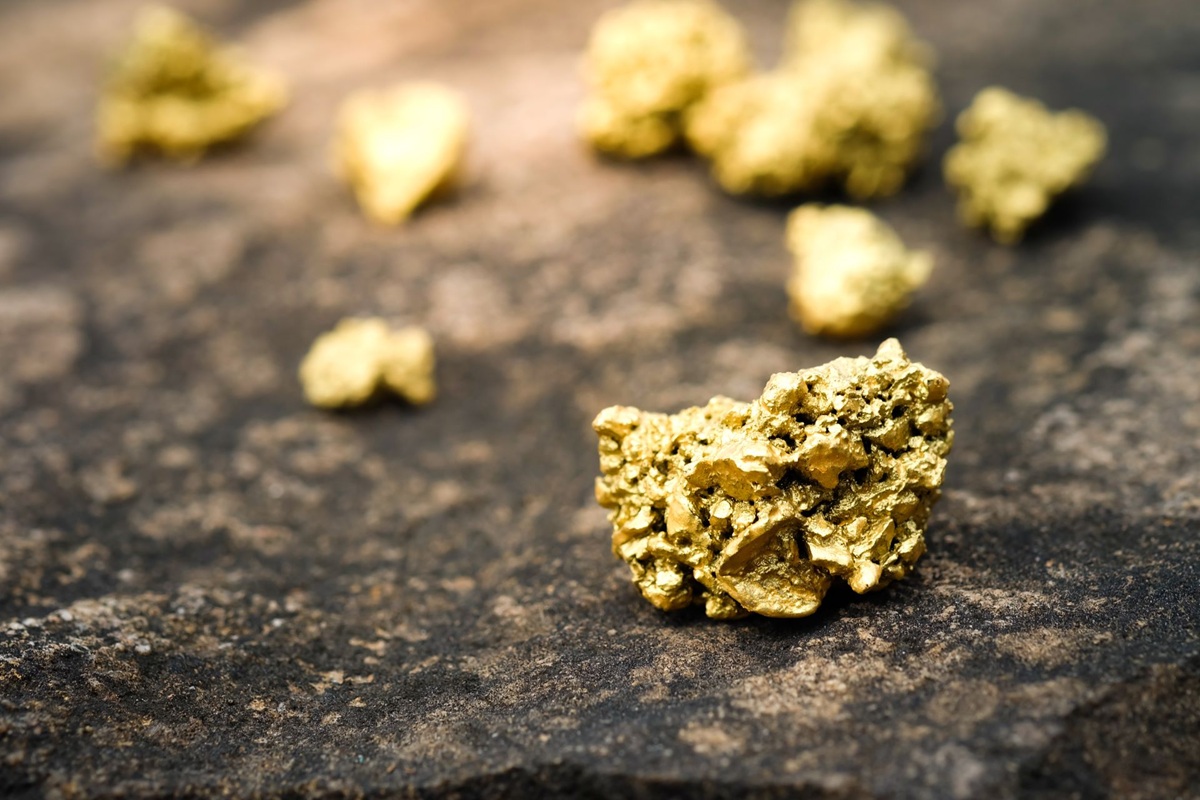
Can earthquakes generate gold?
In this context, in a week when a new earthquake shook Japan, the possible relationship between earthquakes and gold takes on special significance. This is according to a study published in Nature Geoscience, which revealed the possible formation of gold nuggets from different tremors.
The research, conducted by Monash University (Australia), indicates how the formation of an electric field in quartz could facilitate the deposition of gold nuggets. Specifically, the authors developed a piezoelectric stress model capable of producing quartz during an earthquake. The team placed different quartz crystals in a fluid with dissolved gold and then introduced seismic waves to create this piezoelectric stress. The results revealed that the quartz generated a stress that resulted in the accumulation of gold nanoparticles on the surface.
‘Given that gold is a conductor, our results show that existing gold grains are the focus of continuous growth. We suggest that this mechanism may help explain the formation of large nuggets and the highly interconnected gold networks that are commonly observed within quartz vein fractures,’ the study indicates.
Another effect of these tremors is a process known as ‘instantaneous vaporisation.’ By causing fissures and pressure variations, earthquakes can generate the evaporation of mineral-rich groundwater and, consequently, facilitate the precipitation of gold.
In short, although earthquakes do not have the capacity to create gold, the seismic variations derived from this process can cause the sudden appearance of the mineral.