
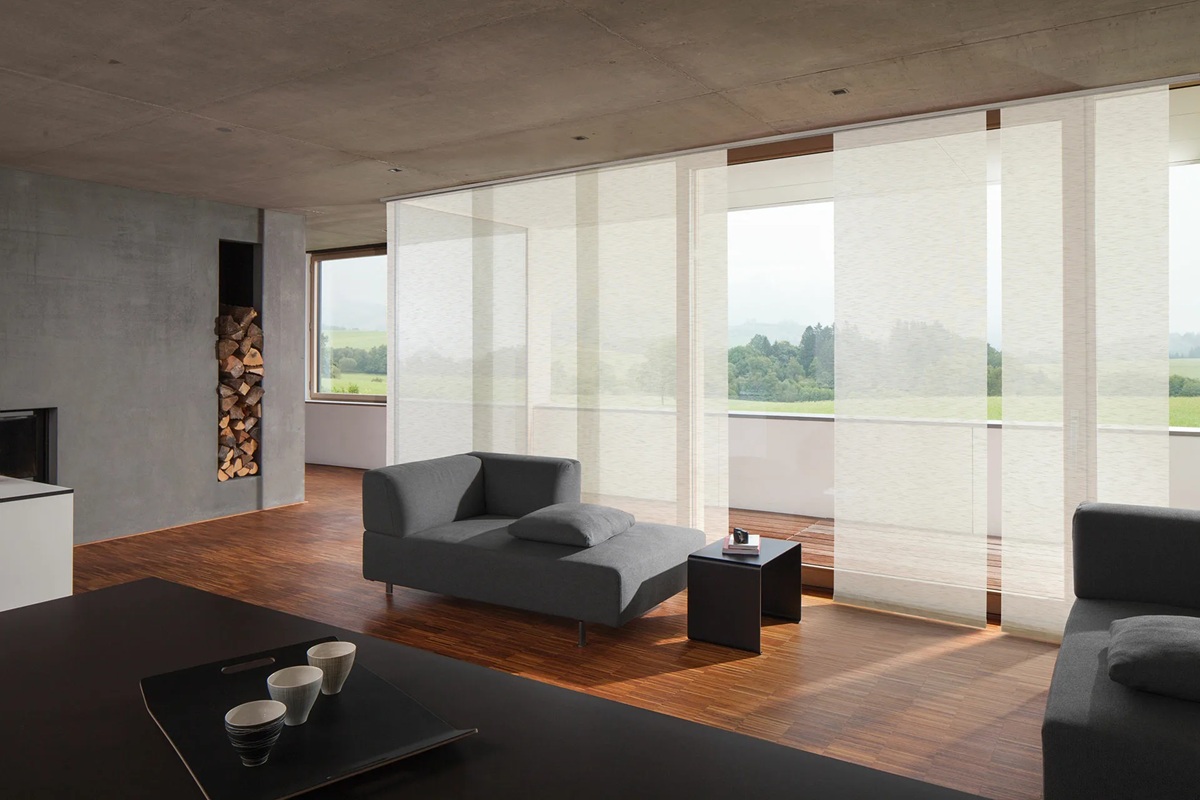

For decades, traditional curtains have been an indispensable element in home décor. However, trends change, and looking ahead to 2026, a practical, minimalist and very versatile alternative is gaining ground: Japanese panels. Inspired by Oriental architecture and design, they not only offer a modern and elegant aesthetic, but also respond to the new needs of contemporary homes. Unlike traditional curtains, Japanese panels are not gathered to the sides with pleats, but overlap in an orderly fashion, creating straight, clean lines. Their origin dates back to traditional Japanese homes, where shōji (sliding panels made of rice paper and wood) were used to divide spaces and filter light.
The Japanese alternative to traditional curtains
Minimalism continues to set the tone for interior design. In 2026, homes will feature fewer decorative elements, but more functional ones, and Japanese panels fit perfectly into this philosophy. The straight lines and uniform drape provide visual order. Furthermore, unlike traditional curtains, they help to create a feeling of spaciousness, as they do not “invade” the space or saturate it.
One of the great attractions of Japanese panels is their versatility. They are not only used to cover windows, but also as partitions in open rooms and as substitutes for doors in dressing rooms or offices. In 2026, multifunctional homes will require flexible solutions, and Japanese panels fulfil this role perfectly.
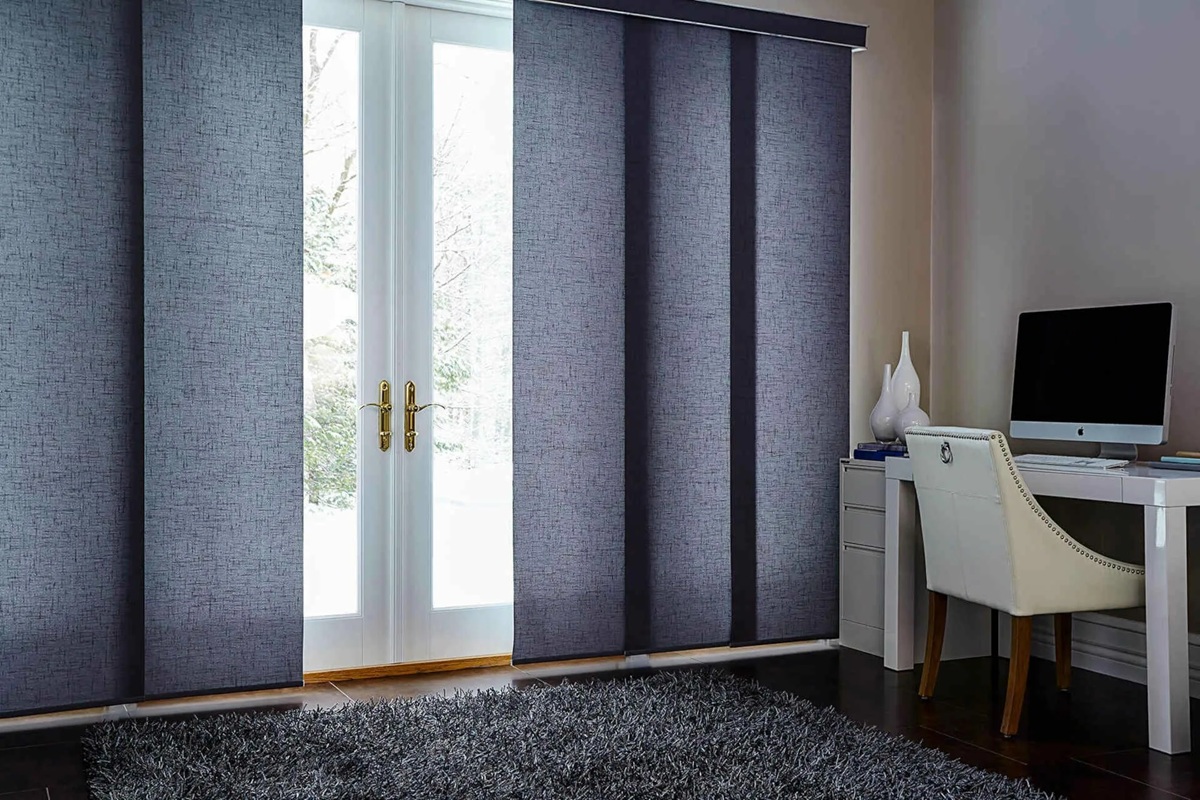
One of the main advantages over traditional curtains is their practicality. They accumulate less dust, are easier to clean and retain their original shape for longer. In addition, thanks to the system of independent panels, it is possible to regulate the entry of light with greater precision. It is possible to move only a few panels, overlap them or leave them completely open, depending on the time of day.
In modern rooms, Japanese panels are the perfect complement to large windows or terrace doors. They add elegance without stealing the spotlight from the rest of the décor. For the bedroom, Japanese panels offer a serene and welcoming aesthetic. Translucent fabrics allow soft light to pass through in the morning, while opaque options ensure total darkness at night.
Sustainability is a key factor in the world of interior design, and panels made from recycled fabrics, natural fibres and technical materials, which improve thermal and acoustic insulation, are the most sought after. These fabrics allow you to regulate the amount of light entering the room without sacrificing privacy, while also contributing to the energy efficiency of the home.
Earth tones, beiges, sands, warm greys and off-whites will take centre stage. On the other hand, panels with a linen-like texture or finishes that imitate natural materials such as wood or bamboo will gain ground. This approach reinforces the connection with nature, a trend that will continue to grow in the coming years.
Far from being a standard solution, Japanese panels in 2026 will focus on customisation. From the choice of the number of panels to the fabrics, colours and rail systems, everything can be adapted to the needs of contemporary homes. They even integrate with home automation systems, allowing them to be opened and closed via remote control or smart assistants.
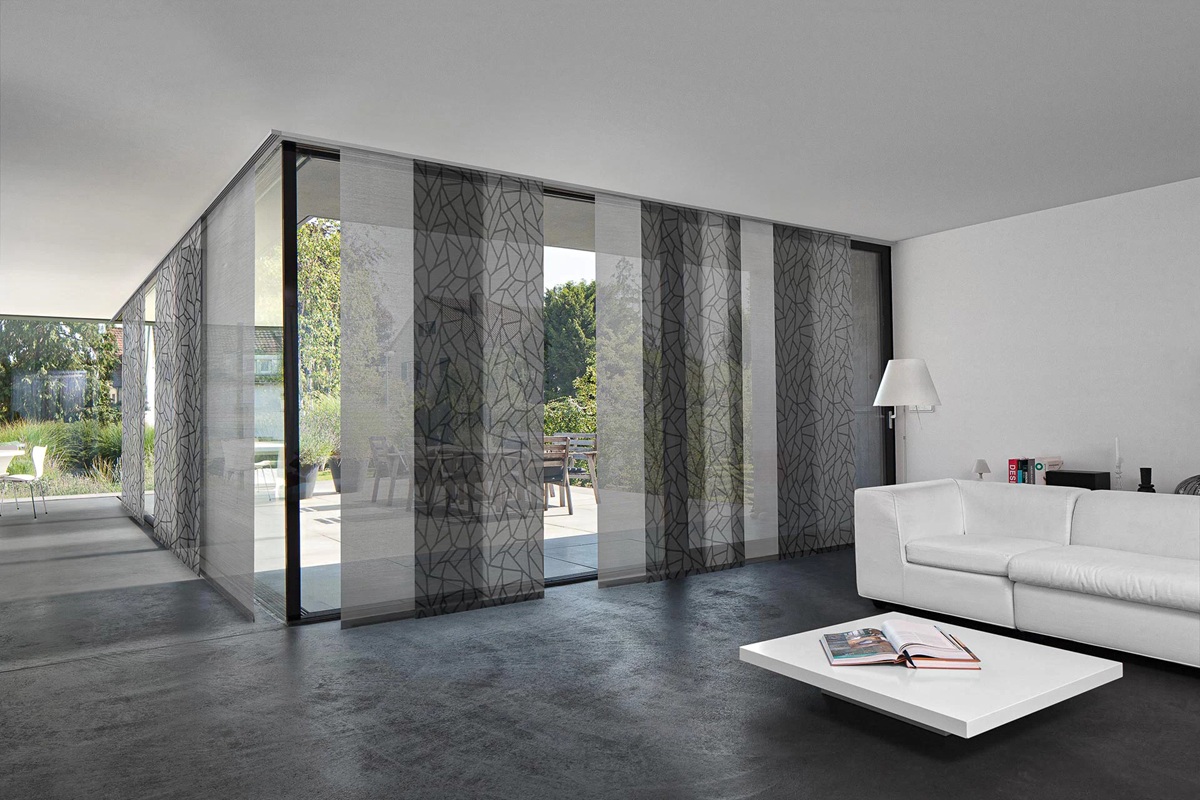
- Translucent fabrics are the most popular for living rooms and common areas. They allow natural light to pass through smoothly and evenly, creating cosy and relaxing environments.
- For bedrooms, offices or rooms facing the outside, opaque and screen fabrics are one of the best options. Opaque fabrics guarantee total darkness, promoting rest, while screen fabrics allow you to see outside without being seen, as well as filtering UV rays.
- Finishes that imitate natural materials such as wood, bamboo or thick linen are a very clear trend. These add warmth and reinforce the connection with nature, a constant in current interior design. Neutral tones (beige, sand, stone, warm grey or off-white) dominate the colour palette, making it easy to integrate Japanese panels into any decorative style.
Saying goodbye to traditional curtains does not mean giving up warmth or style. Japanese panels represent a natural evolution in the way we dress our spaces.
In 2026, this trend will consolidate itself as one of the favourite options of architects, interior designers and design lovers. Many manufacturers are investing in recycled fabrics and responsible production processes; reused fibres, toxic-free treatments and durable materials make Japanese panels an option in line with the values of conscious consumption.
If you are thinking of renovating your home, perhaps it is time to say goodbye to traditional curtains and welcome a modern solution that combines tradition, innovation and design.