
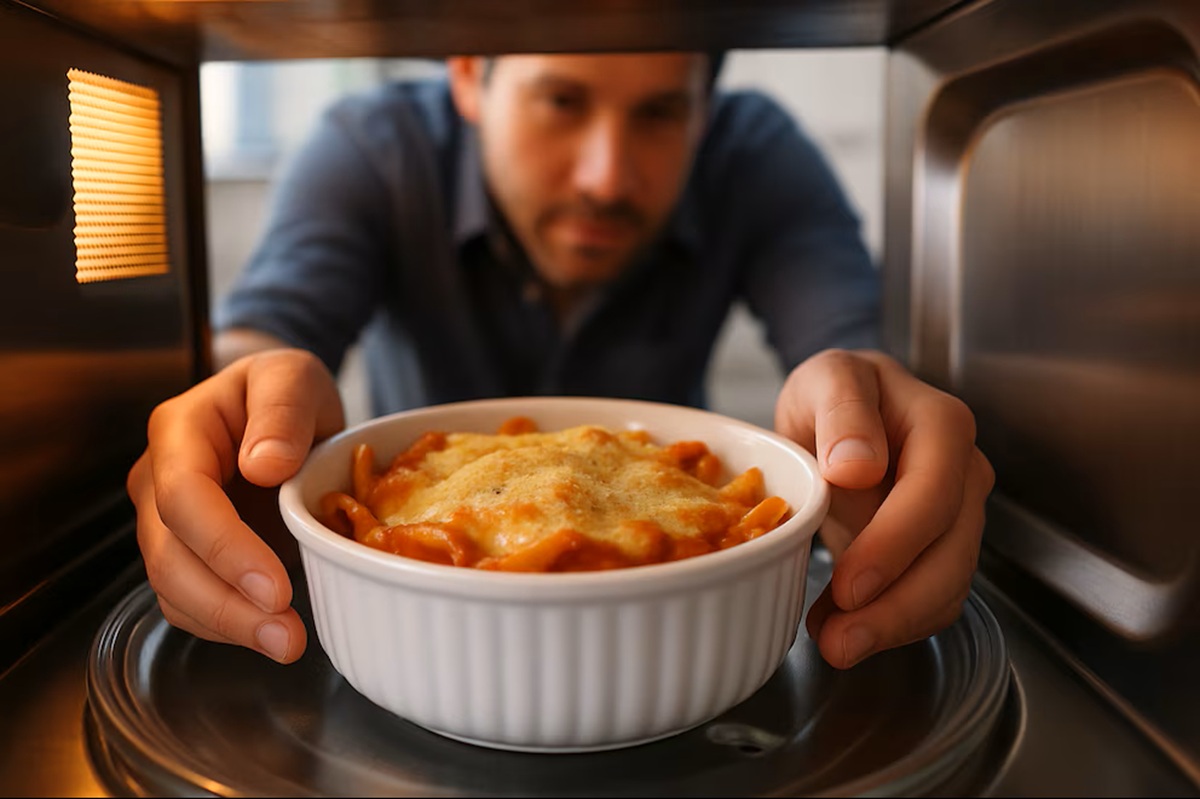

Finding out which materials and products can cause explosions, fires or release toxins is essential to prevent accidents in the kitchen The microwave oven has become an indispensable appliance in most homes due to its ability to quickly heat, cook and defrost food. However, placing prohibited objects or unsuitable foods in it can cause accidents, damage to the appliance or health risks. Although practical, not all containers and foods are suitable for this cooking method. Lack of knowledge about materials or products that can react dangerously to electromagnetic radiation can cause explosions or release toxic substances. Identifying the items that should be kept away is essential.
Objects and containers that should not be used
moulds and containers pose one of the greatest dangers. When heated, aluminium can melt, generate sparks and blow the fuses in the domestic electrical system. Aluminium foil, commonly used to wrap food, should also be removed before heating any product, as it can catch fire. Only aluminium balls specifically designed for this type of oven are an exception. Thin glassware or thin glass cups are not recommended unless the manufacturer indicates that they are suitable. Thickness is a determining factor: the thinner the glass, the greater the risk of explosion. Glass containers designed to withstand temperatures and radiation are thicker and have a safe composition.
Any metal objects, whether pots, pans, bowls, stainless steel utensils or containers decorated with metallic paint, should be excluded. Metal, because it conducts electricity, can cause sparks, fires or damage to the machine. This includes cups with metal rims and plates decorated with chrome filigree. Not all plastics can withstand heat. Pre-cooked food packaging, cheap Tupperware or low-quality industrial products tend to melt or release dangerous toxins. In addition, logos with metallic ink increase the risk. When in doubt, it is preferable to transfer the food to a certified plastic container or use ceramic dishes.
Yoghurt, cream and margarine packaging is designed for single use and cannot withstand high temperatures. If heated, it may melt or release harmful substances. As for thermos flasks, not all of them can be used in this appliance. Those made of stainless steel block heat, prevent the contents from heating up and may damage the equipment. If the container is made of plastic, you should check that it has safety certification before proceeding.
Foods to avoid
Cooking an egg in its shell can be risky. The oven heats the inside, generating a build-up of steam that can cause an explosion, either inside the appliance or when removing the egg. There are special containers for preparing eggs in this appliance, but if you do not have one, it is advisable to poach them in water. Heating hot peppers releases capsaicin, the compound responsible for the burning sensation. When you open the door, these vapours can irritate your eyes and nose. It is recommended to ventilate and keep your face away after cooking.
Green leafy vegetables require moisture, otherwise they may spark or burn. To avoid this, it is best to steam them in special containers and control the heating time. Due to their consistency, tomato sauces make it difficult for heat to escape, which can cause internal explosions and dirty the interior. Air pockets may even form and explode when the container is removed, staining clothing or skin. Using lids designed for these ovens helps prevent incidents.
Although it is possible to heat water, there is a risk of overheating. The liquid can accumulate energy without boiling, and when a spoon or tea bag is introduced, it can suddenly boil and cause burns. The use of oven gloves reduces the risks. Grapes subjected to this type of heating can generate sparks and even fire, as their molecules can ionise and form bright plasma, with possible explosion. When defrosting meat, up to half of the vitamin B12 can be lost in six minutes. In addition, uneven heating leaves the outside cooked and the inside still frozen. White rice loses nutritional value, as high temperatures eliminate the nutrients from the grain.
Tips for safe use
To avoid accidents and protect both your health and the functioning of the appliance, you should only use containers and utensils that are certified as suitable. Carefully reading the manufacturer’s instructions, excluding non-approved metal or plastic materials, and paying attention to foods that may react dangerously are essential measures for safe cooking. In some cases, using traditional methods, such as a pan of water, allows food to be heated more gradually and evenly, which is suitable for certain products. Avoiding unsuitable items, checking the materials used, and adopting safe habits allows you to enjoy its benefits without taking unnecessary risks.