
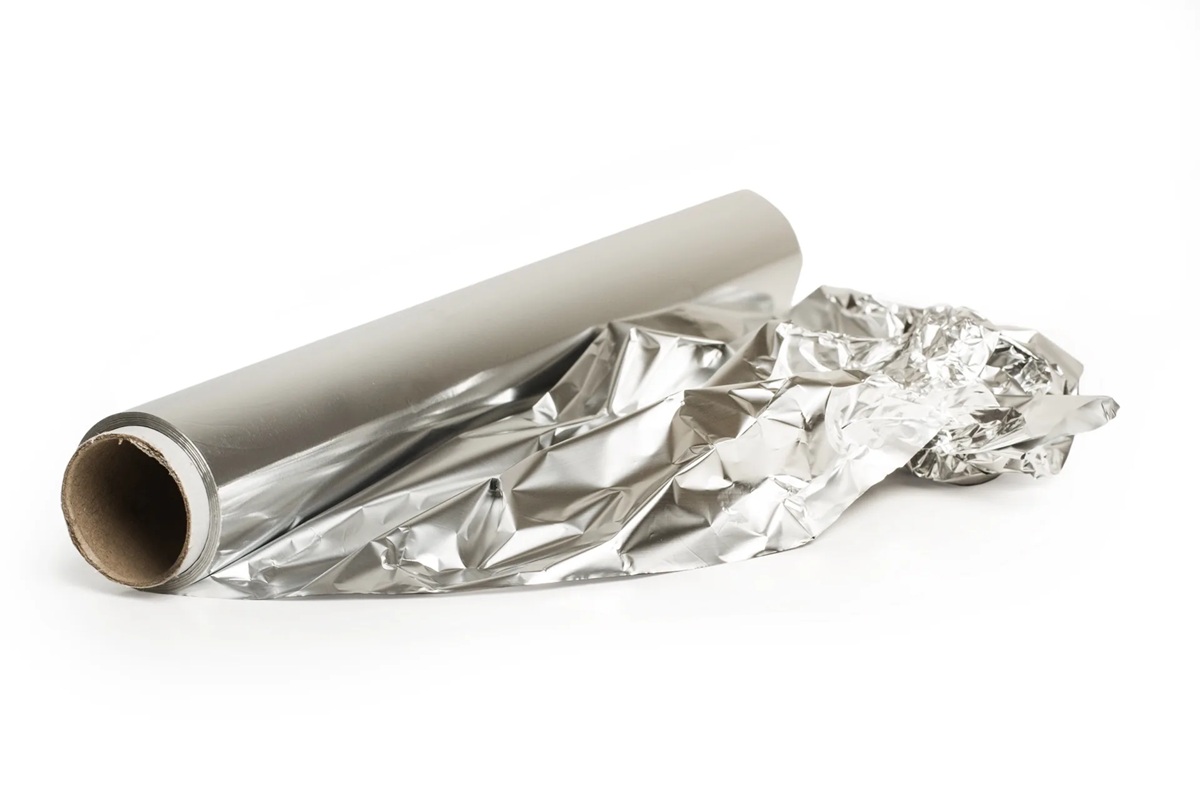

A simple piece of aluminium foil can help identify the source of damp without the need for building work or tools. Moisture in the home is one of the most common and equally unpleasant problems in dwellings of any age. Dark spots, peeling paint or a feeling of heavy air can be signs that something is wrong with the walls and ceilings. However, it is not always easy to find the exact cause: is it condensation? An external leak? Or excess steam inside the house? Before resorting to expensive diagnostic methods, some architecture professionals recommend a homemade method that allows you to steer the inspection in the right direction and avoid unnecessary interventions.
This suggestion was explained by architect Maxim in a video posted on his social media pages. In it, he briefly describes a simple procedure that, according to him, he uses on his first visits when he receives a notification about dampness. ‘There is damp in the house.
Why stick a piece of aluminium foil on the wall if there is damp
The aim of the experiment is to determine where the damp is coming from, which is necessary in order to apply the correct solution. Caballero describes the test step by step: ’Take a piece of aluminium foil and adhesive tape and stick it on the wall for a few days.” After this period, the appearance of droplets on one side of the foil will reveal the type of problem.
If water forms on the surface of the foil on the inside of the house, the cause is usually inside. ‘The droplets are on the outside of the foil. The dampness comes from inside and either there is no ventilation or there is excess vapour,’ he explains. In this case, it is most often condensation: the vapour that forms in showers, kitchens or due to insufficient ventilation hits the cold surface and turns into liquid. This process is often observed in poorly ventilated flats, in houses with very airtight windows or in places such as bathrooms and bedrooms.
On the other hand, if moisture appears between the paper and the wall, this indicates a completely different problem. As the architect points out: ‘If this condensation appears on the inside of the aluminium foil, it means that the moisture is coming from outside due to a lack of waterproofing or leaks.’ In such cases, the cause is usually damaged roofs, cracks in the facades, ground infiltration or flaws in the waterproofing of the walls. Timely detection of the problem is essential to avoid structural damage and costly repairs.
Why does this trick work?
The aluminium foil acts as a waterproof barrier and helps to determine whether the vapour condenses when it comes into contact with it from the inside or whether the already damp wall transfers water to the surface. Although it does not replace a professional technical inspection, it serves as a preliminary and indicative diagnosis.
Condensation due to insufficient ventilation is one of the most common problems in Spanish homes. According to reports from the Eduardo Torroja Institute of Construction Sciences (CSIC), improved insulation and reduced natural leaks have improved energy efficiency, but have also increased the number of cases of internal dampness when the air is not properly renewed. At the same time, architects’ associations warn that poorly repaired external leaks can cause serious damage to walls and ceilings if they are not eliminated in time.
The architect points out that not all types of damp are treated in the same way. Internal condensation is usually eliminated with simple measures: airing the room for a few minutes a day, not drying clothes indoors, improving exhaust in bathrooms, or installing mechanical ventilation systems in persistent cases. On the other hand, damp caused by leaks usually requires professional intervention, detection of the leak location, and waterproofing work.
Therefore, before starting major repair work, Caballero insists that this little experiment can save time and money. ‘Before spending money on repairs, do this test in your home,’ he concludes in the video, encouraging users to comment on the results to help them find a solution.