

Recent research shows that this behaviour, far from being an aberration, is part of evolutionary strategies present in fish, insects and mammals, according to Popular Science Filial cannibalism, the act by which some animals eat their young, is much more common in nature than is commonly believed. Documented in more than 1,500 species, this behaviour challenges the traditional perception of parental instinct and reveals a variety of evolutionary and environmental causes, as detailed by Popular Science.
Defined as the practice whereby a parent consumes part or all of its offspring, filial cannibalism has been observed in fish, insects, arachnids and domestic mammals such as cats, dogs and pigs. Behavioural ecologist Aneesh Bose, from the Swedish University of Agricultural Sciences, explains that ‘in general, cannibalism of offspring is extremely common’. The expert, who has been researching this phenomenon for years, emphasises that it is ‘a tool present in the repertoire of many species’, integrated into their reproductive strategies, according to Popular Science.
Relationship with reproductive strategies
The relationship between reproductive strategies and filial cannibalism is key to understanding why this behaviour occurs. Animals that invest large amounts of time and resources in a single offspring, such as elephants or whales, rarely exhibit filial cannibalism. ‘If you are forced to care for a single offspring and devote a lot of effort to it, cannibalism is less likely to occur,’ says Bose. In contrast, species with rapid reproductive cycles and large litters, such as many fish and insects, tend to show a greater propensity for this type of behaviour.
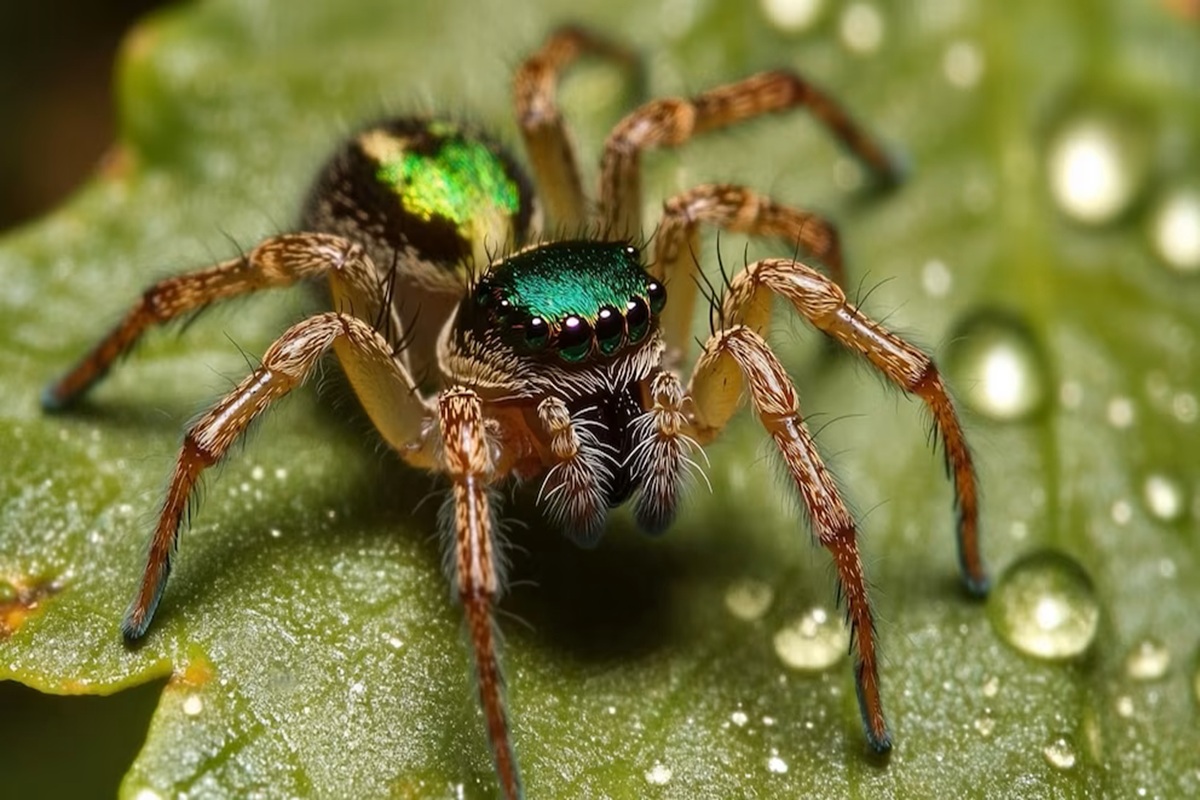
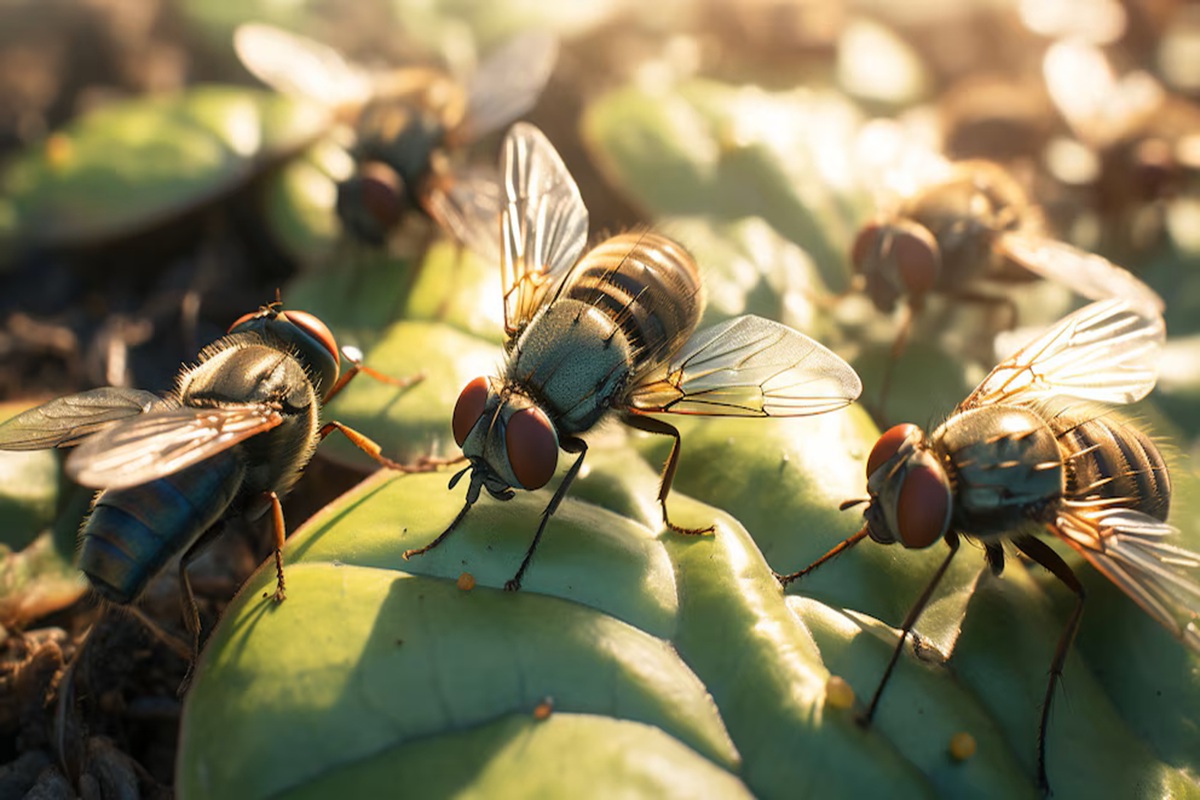
Within filial cannibalism, scientists distinguish between partial cannibalism and total cannibalism. Partial cannibalism, common in insects, arachnids, and fish that can have hundreds or thousands of offspring, involves parents consuming only some of their offspring. This practice may be a response to food scarcity; for example, a 1987 study of scavenger beetles showed that adults devoured part of the brood to ensure that the survivors had enough food. In domestic mammals such as cats, dogs, and pigs, parents may eat offspring that are stillborn or unlikely to survive, allowing them to recover some of the energy invested in gestation. Other reasons identified include reducing overcrowding, adjusting the sex ratio in the litter, or the presence of parasitic infections.
Genetic competence and conflicts between parents
Partial cannibalism can also be motivated by genetic competition. In some fish species, males can identify, through chemical signals, whether the offspring are theirs. A 2003 study on blue sunfish showed that parents who detected the presence of foreign offspring in the brood increased their consumption of these offspring. However, this behaviour can lead to conflicts with the mother, who seeks to protect all her offspring. In species where both parents care for their offspring, females often closely guard the eggs to prevent the male from consuming them, as Bose details in Popular Science: ‘The female may keep the male away from the offspring to ensure that he does not do anything she does not approve of.’
Total cannibalism occurs when one parent consumes the entire brood. According to Bose, this behaviour usually occurs in situations where brood size varies greatly between reproductive cycles. If a female encounters a smaller than expected brood, she may choose to devour it completely in order to restart the reproductive cycle and aspire to a larger and more valuable brood in the future. This type of cannibalism has been documented in small mammals such as rodents and rabbits. Environmental stress also plays a role: in dangerous environments, females may resort to total cannibalism to increase their own chances of survival and reproduce again when conditions improve.
Research and new questions
Research on filial cannibalism has focused mainly on fish and rodents, due to the diversity of parental care strategies in these groups. Studies have been conducted both in the wild and in laboratories, although artificial conditions may influence the observed frequency of this behaviour. As science advances, it is hoped that even more factors explaining this behaviour will be discovered. The phenomenon of filial cannibalism, far from being a rarity, is part of a much broader and more complex evolutionary structure than previously imagined, as Popular Science concludes in its analysis.