
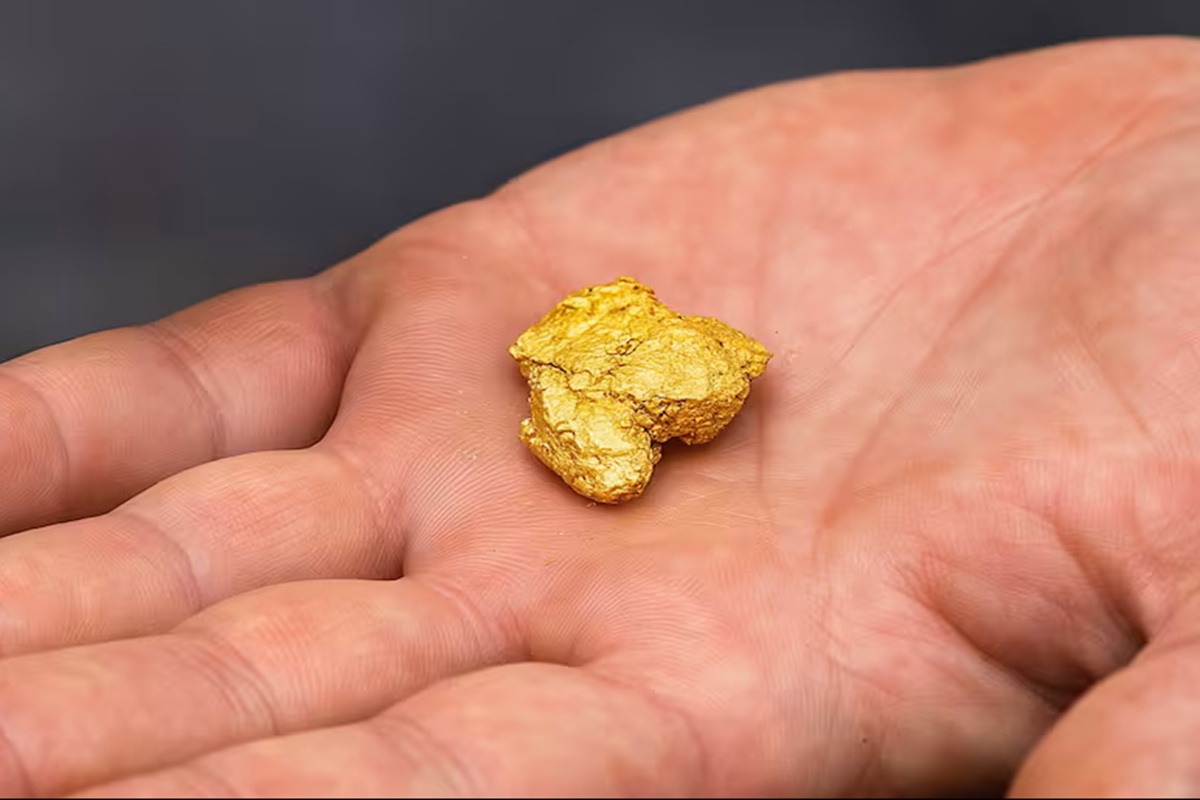

Discover the new method for obtaining valuable metals. Every year, millions of devices are abandoned in drawers, rubbish bins or makeshift storage areas. What many people do not know is that these objects contain quantities of gold and other valuable metals that far exceed the yields of many traditional mines. Modern electronics contain strategic materials that, despite their enormous value, continue to be wasted.
The surprising wealth within technological waste
Electronic waste is one of the fastest growing waste streams in the world. And although it is seen as an environmental problem, it also represents a huge economic opportunity. In numerous studies, experts agree: one tonne of electronic scrap can contain more gold than several tonnes of rock extracted in conventional mining. Quantum physics has enabled impressive technological developments, such as quantum computers and quantum cryptography. Even so, most of these materials end up in landfills, incinerated or subjected to toxic treatments that harm the environment and health. Only a small portion returns to the production cycle.
A common household device containing 450 milligrams of 22-carat gold
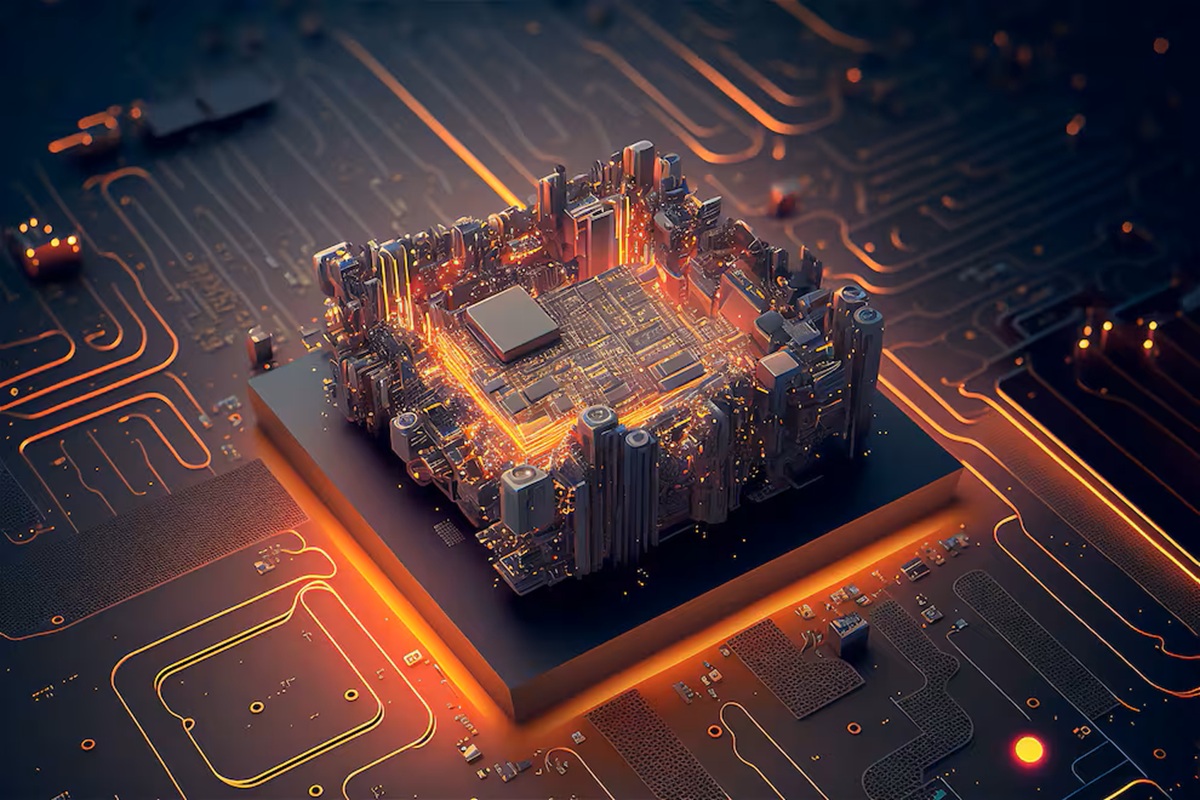
A group of Swiss researchers has given this story an unexpected twist. At the Swiss Federal Institute of Technology in Zurich, they have developed a technique that uses proteins derived from whey to capture the gold present in the circuits. These fibres, transformed into a kind of sponge, selectively attract metal ions and allow them to be recovered without using highly polluting products such as mercury or cyanide. After the process, the material is heated and 22-carat gold is obtained, ready to be reused. A clean, scalable alternative that could encourage the development of a high-value technological recycling industry.
Towards a new recycled gold economy
This advance points to a greater goal: to consolidate a model in which materials from devices we no longer use are returned to the production system. From copper and silver to palladium and nickel, many elements found in computers, telephones, televisions and household appliances can be recovered using combined techniques. If they achieve an efficient chain — collection, dismantling, separation, recovery and reintegration into the market — countries could reduce their dependence on mining and take advantage of an overlooked resource: that found within technological waste.