
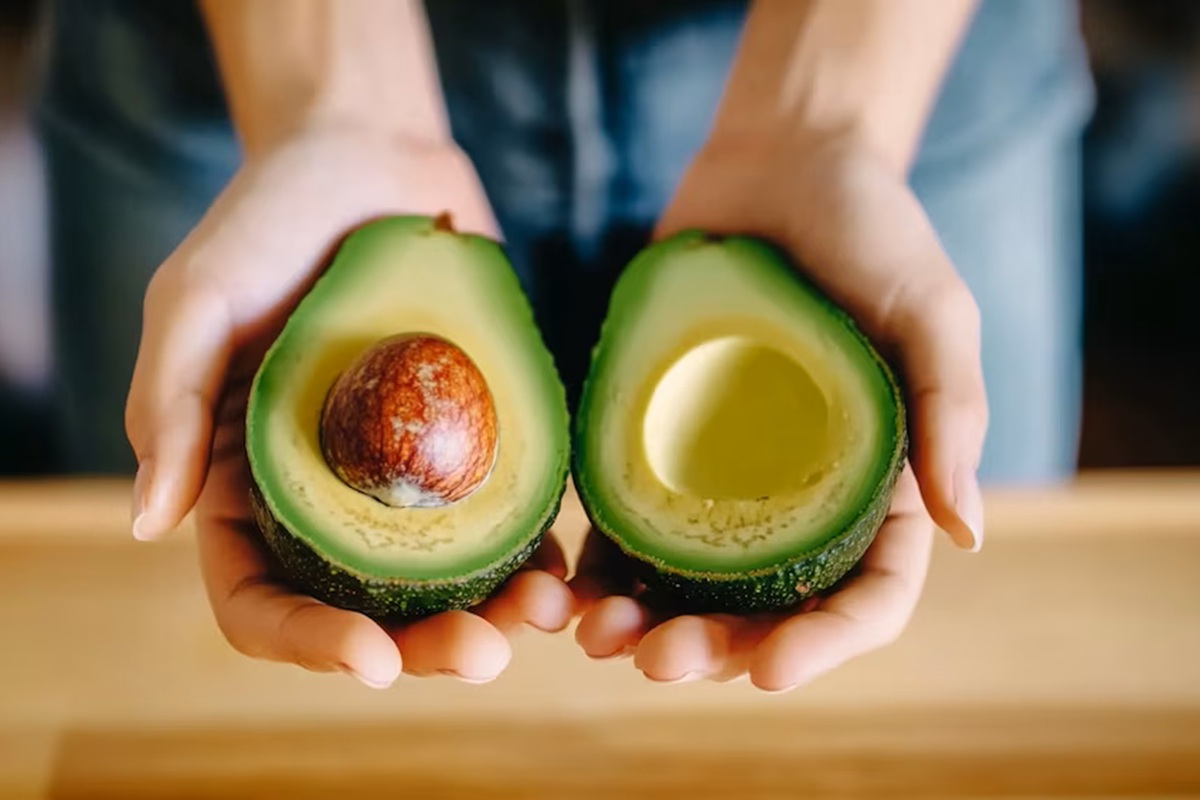

Simple tips help you enjoy this fruit at its best and make the most of its versatility in everyday meals
The avocado has established itself as an essential ingredient in gastronomy. Its smooth texture, unmistakable flavour and valuable nutritional benefits have made it popular worldwide.
Those who consume it often face the challenge of purchasing it at its peak or speeding up its ripening at home. There are many ways to make full use of all parts of the fruit, including the skin and pit.
Below are techniques and practical recommendations for making the most of avocados in the kitchen, for wellness, and around the home, based on information from experts at Harvard Health Publishing and other recognised institutions.
How to tell if an avocado is ripe to eat
Recognising an avocado that is ready to eat is essential to enjoying its qualities. Specialists at Harvard point out that ripe fruit has a dark skin with a dull sheen and yields slightly to finger pressure.
Another simple strategy is to remove the small stem at the top: if the flesh that appears is yellow, the avocado is at its peak; if it is brown, it is past its prime; and if it is green, it needs more time to ripen. Once ripe, it is recommended to store the whole fruit in the refrigerator to keep it fresh for up to a week.

How to make an avocado ripen faster
When the avocado is green, five home methods can be used to speed up its ripening:
- Newspaper: Wrapping the fruit in newspaper helps to retain ethylene, a gas that facilitates softening. Adding bananas or apples, which release even more ethylene, intensifies the effect.
- Aluminium foil: Wrapping the sealed avocado in aluminium foil and adding a ripe tomato significantly speeds up the ripening process.
- Oven: Making small cuts in the skin, wrapping it in aluminium foil and baking it at 150-160°C for ten minutes allows it to ripen quickly. After leaving the fruit to rest in the oven (turned off) and cooling it in the refrigerator, the texture may vary slightly, but you will have an avocado ready in minutes.
- Microwave: Piercing the fruit with a fork, covering it and heating it for thirty to sixty seconds softens the flesh, although the texture and flavour are altered. This method is useful for making guacamole or smoothies. Another variation involves cutting the avocado, removing the stone, wrapping each half in cling film and heating for two minutes; cooling it afterwards in cold water improves the consistency.
- Flour: Placing the avocado in a bowl with flour helps to concentrate the ethylene, allowing the fruit to soften quickly without altering the flavour.
When avocado pulp is exposed to air, it tends to oxidise. To prevent it from darkening, it is advisable to use lemon or lime juice, cover with plastic wrap, use airtight containers, store with pieces of onion, or immerse in cold water. These methods prolong the colour and freshness of preparations.
The health benefits of avocado
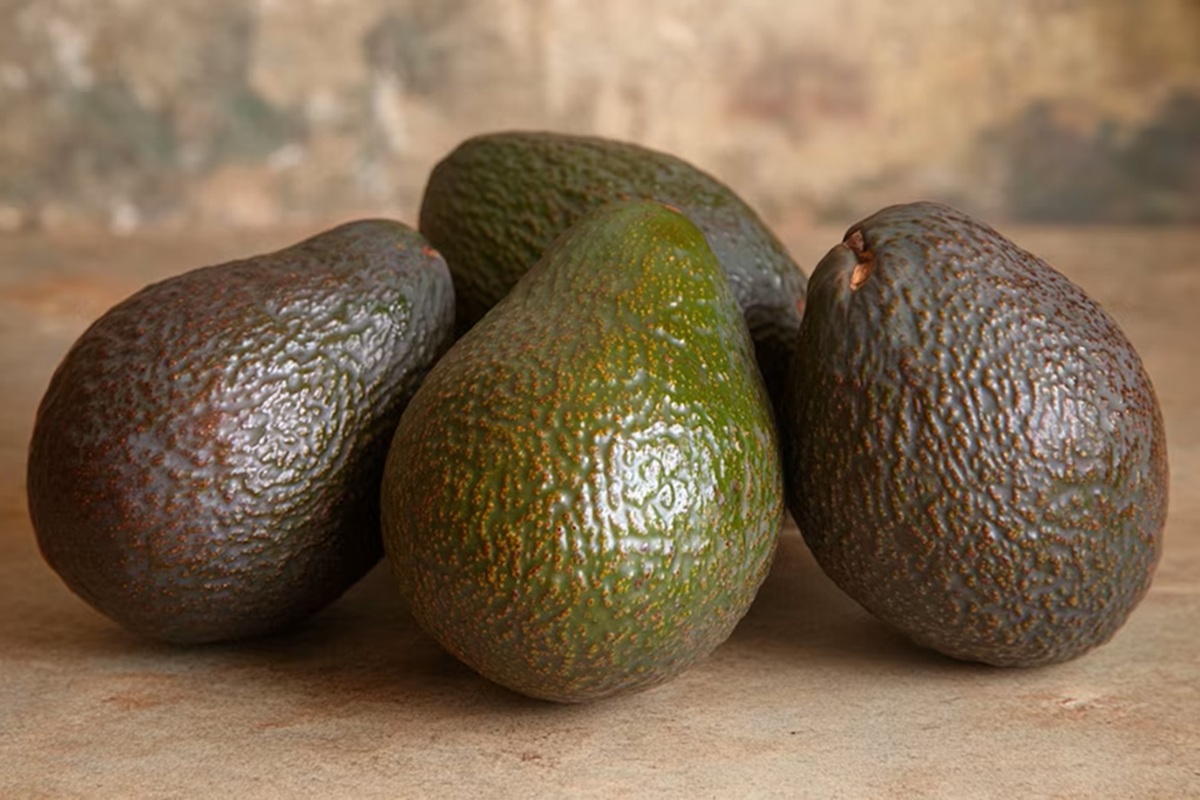
Avocado not only stands out in the kitchen, but also for its outstanding nutritional profile. According to Harvard Health Publishing, the fruit is a predominant source of monounsaturated fats, which help lower LDL cholesterol and protect cardiovascular health.
Elizabeth Klingbeil, a professor at the University of Texas at Austin, and experts at Harvard Health, point out that regularly including avocados in your diet can be beneficial for people at risk of heart disease.
A study led by Frank Hu, a professor at the Harvard T.H. Chan School of Public Health, indicated that consuming at least two servings of avocado per week may be associated with a 21% reduction in the risk of coronary heart disease. In addition, the fruit provides approximately ten grams of fibre per serving, which promotes intestinal health and helps maintain a healthy weight.
According to Zhaoping Li, professor at the University of California, avocados provide essential nutrients and create a feeling of fullness, supporting appetite control. Dr Martin Kohlmeier, from the Institute of Nutrition Research at the University of North Carolina, highlights the presence of lutein, which is related to visual health.
In addition, avocados contain vitamin E, which benefits the skin, and potassium, which is essential for regulating blood pressure, with a higher content than bananas. Enriching your daily diet with avocados is easy due to their low carbohydrate content, high nutritional density and abundant fibre and healthy fats.
How to use avocado peel
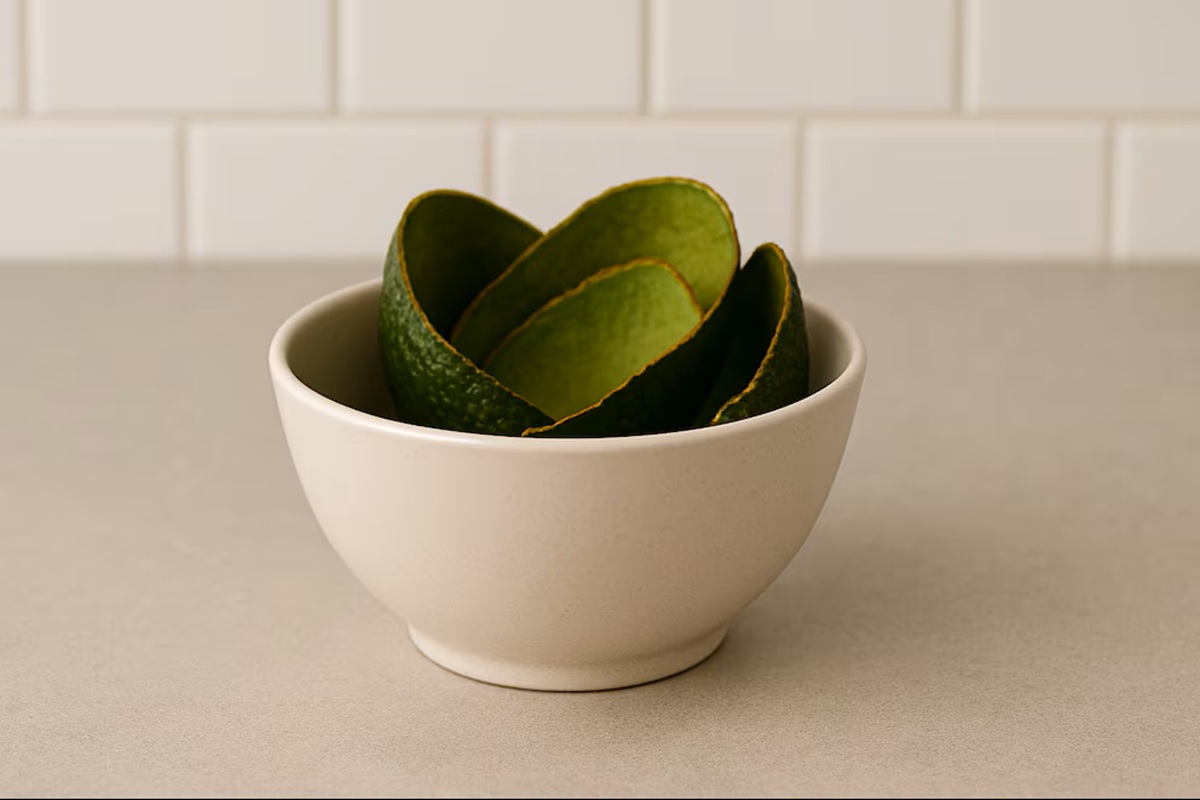
Avocado peel can be used in a variety of ways at home. It is useful as compost, as it provides nutrients to the soil for plants. When dried and crushed, it works as a natural exfoliant for the skin, allowing dead cells to be removed in a sustainable way.
How to use avocado pits
Avocado pits offer surprising and sustainable alternatives. Once cleaned and dried, they can be grated and added in small amounts to smoothies or yoghurts, adding fibre and antioxidants. They can also be germinated to obtain an ornamental plant or used in crafts and even in infusions, expanding natural resources and avoiding unnecessary waste.
The avocado, from its flesh to its skin and pit, is a versatile and nutritious whole food with the potential to improve the quality of your diet and contribute to your daily well-being.